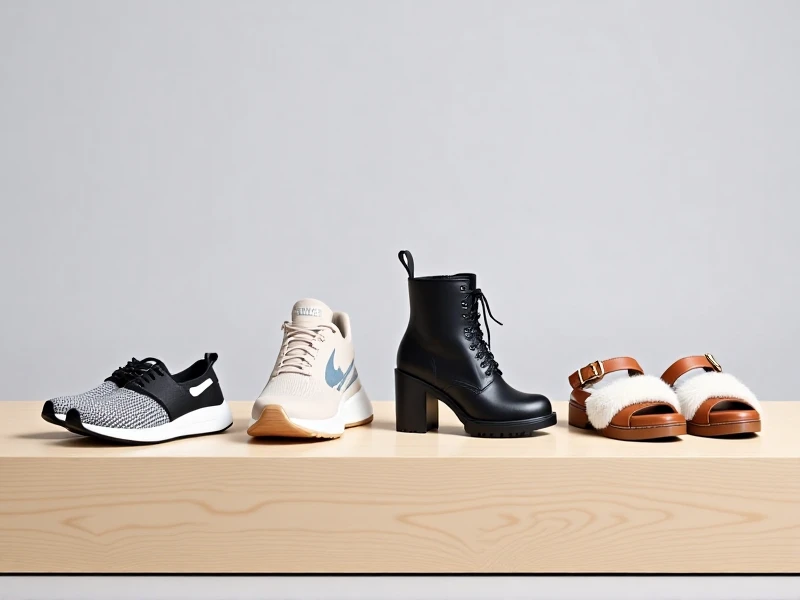
The Essential Guide to Finding Your Ideal Running Shoes
SEO Article for Website: Running Shoes
Running shoes are more than just footwear; they're your ultimate companion on every mile, whether you're tackling a trail or sprinting on pavement. Choosing the right pair can transform your runs, reducing injuries and boosting performance. Over the years, running shoes have evolved with advanced cushioning and support technologies, but with so many options, it's easy to feel overwhelmed. In this guide, we'll help you navigate the world of running shoes, focusing on key features to consider and how to pick the best match for your unique needs.
First, let's explore the different types of running shoes available. Stability shoes offer extra support for overpronators, correcting foot alignment to prevent strain on joints. If you have a neutral gait or need maximum impact absorption, cushioned running shoes are ideal; they use soft midsoles to absorb shock on hard surfaces. Lightweight running shoes shine for speedwork or races, prioritizing flexibility without sacrificing support. For off-road adventures, trail running shoes provide rugged traction and water resistance. Understanding your running style is crucial – consider whether you're a seasoned marathoner or a casual jogger, as it influences fit and technology. Always test shoes in-store or order multiple models online to compare comfort levels.
Next, focus on how to select the right pair. Look for key attributes like arch support, which should cater to your foot shape (e.g., high arches might prefer plush cushioning). The drop, or heel-to-toe height difference, affects comfort too; a 8-10mm drop suits most runners, while minimalist shoes have lower drops for a natural stride. Don't forget breathability materials like mesh uppers for ventilation during long runs. Popular brands like Nike, Brooks, and Asics excel in creating comfortable running shoes, with options designed for various terrains. Pair this knowledge with sizing advice: ensure a thumb's width of space at the toes to avoid blisters. Regularly replacing your running shoes every 300-500 miles is essential to maintain support – old shoes can contribute to injuries from worn-out cushioning.
Ultimately, investing in high-quality running shoes pays off with every step. Try out a test run before committing, and consider consulting a specialist at a running store for personalized guidance. With the perfect pair, your workouts will feel safer, smoother, and infinitely more rewarding. For more in-depth reviews and tips on best running shoes, explore our blog – gear up and hit the ground running this season! ( 420)