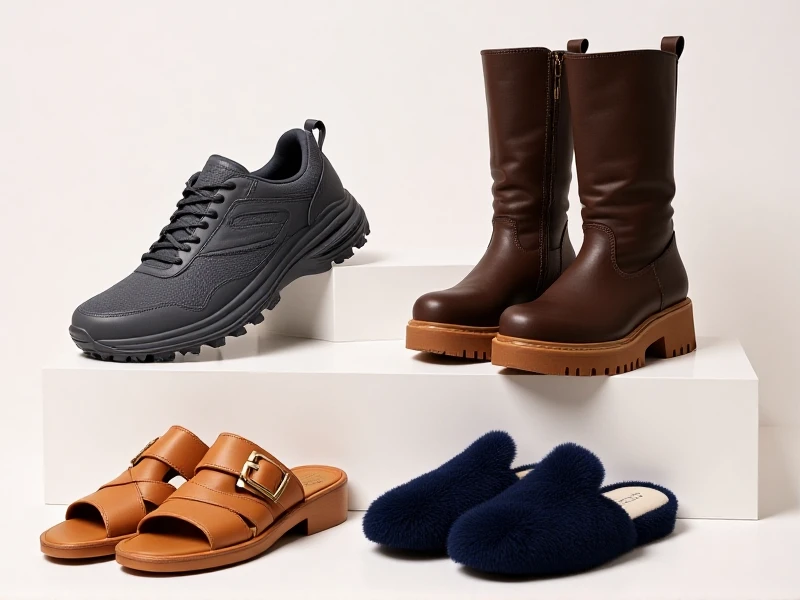
Your Ultimate Guide to Choosing the Best Running Shoes
Running is a fantastic way to stay fit, clear your mind, and challenge yourself, whether you're casually jogging through the park or training for a marathon. But if you've ever experienced sore feet, blisters, or nagging injuries after a run, it might be time to reconsider your footwear. The right pair of running shoes isn't just about style—it's essential for comfort, performance, and injury prevention. With so many options out there, finding your perfect match can feel overwhelming. That's why we've put together this guide to help you navigate the world of running shoes and pick a pair that supports your stride every step of the way.
First off, why do running shoes matter so much? Each time your foot hits the ground, it absorbs two to three times your body weight in force. Without proper cushioning, this impact can lead to common problems like shin splints, knee pain, or plantar fasciitis. Quality running shoes provide shock absorption to protect your joints and muscles, while also offering stability to keep your feet aligned during motion. Think of them as your personal armor against the stresses of the road. Plus, well-designed running shoes enhance your efficiency, helping you run faster and longer with less fatigue. It's like having a turbo boost for your workouts—just slip them on, and you're ready to conquer those miles.
When it comes to types of running shoes, there's a wide variety to suit every runner's needs. Neutral shoes are ideal if you have a natural gait, as they offer balanced cushioning and flexibility for everyday runs. If you tend to overpronate (where your foot rolls inward too much), stability shoes step in with extra support to prevent excessive motion and keep your stride smooth. For trail enthusiasts, trail running shoes feature rugged outsoles for superb grip on uneven terrain, while lightweight racing flats are perfect for speed demons who crave a responsive, minimalist feel. Brands like Nike, Adidas, and Brooks have evolved their designs to include breathable uppers, durable midsoles, and sustainable materials, making it easier to find eco-friendly options. Remember, the best running shoes for you depend on your running habits—be honest about your distance, terrain, and goals.
So, how do you find your ideal running shoes? Start with a proper fit: visit a specialty shop for a gait analysis or try shoes on in the late afternoon when your feet are slightly swollen. Aim for a snug (not tight) fit with about a thumb's width of space at the toes—allows room for swelling during runs. Bring your running socks to ensure an exact match, and don't rush; walk or jog around the store to test comfort. Also, consider replacing your running shoes every 300-500 miles; worn-out cushioning loses its magic, risking injuries. And here's a pro tip: rotate between two pairs if you run frequently—this prolongs their life and adapts to different workouts. Ultimately, investing in the right running shoes elevates your entire running journey, from those first steps to the finish line.
Ready to take the leap? Head to your nearest store or browse online reviews—you'll be amazed at how a great pair of running shoes transforms your runs into pure joy. Lace up today and run stronger! ( 420)