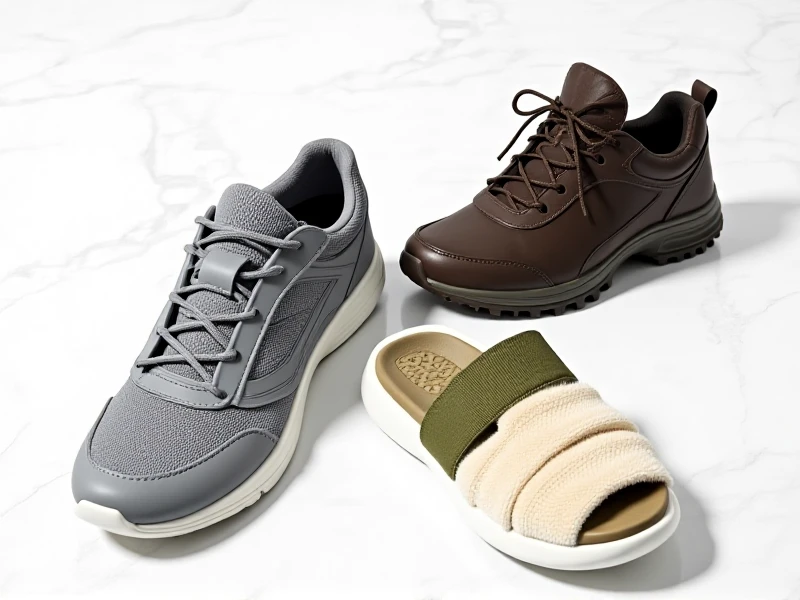
Unlock Your Best Run: The Comprehensive Guide to Choosing the Right Running Shoes
Running is a passion for many, and the key to a great run lies in finding the perfect running shoes. As a runner myself, I've seen how the right pair can boost your performance and keep injuries at bay. Whether you're a beginner or a seasoned marathoner, investing in quality running footwear makes a world of difference. In this guide, I'll share insights on selecting running shoes that fit your needs and elevate your runs.
First, let's explore the different types of running shoes. Cushioned running shoes are ideal for long-distance runners or those with high arches—they offer extra padding to absorb impact and reduce stress on joints. Stability running shoes, on the other hand, are designed for runners who overpronate (where feet roll inward too much), providing support to keep your gait balanced. Minimalist running shoes appeal to those seeking a barefoot feel, encouraging natural movement and lighter strides. For trail enthusiasts, specialized trail running shoes add durability and grip for rugged terrains, ensuring you stay steady on uneven paths. Today's advanced technology in running footwear includes breathable mesh uppers, responsive midsoles, and outsoles with enhanced traction—features that improve comfort and longevity.
The benefits of choosing the right running shoes go beyond comfort. Proper footwear can prevent common injuries like shin splints, plantar fasciitis, and knee pain by promoting proper form and shock absorption. As a result, you'll experience better energy return, leading to improved stamina and faster recovery times. When shopping for running shoes, start by assessing your running style in a store gait analysis. Measure your foot size accurately—many brands fit differently—and consider factors like surface (road vs. trail), mileage, and personal arches. Popular options like Brooks Ghost or Nike Pegasus balance flexibility and cushioning, but always try on multiple pairs to find your perfect match. Remember: replace running shoes every 300–500 miles to maintain peak condition and avoid wear-related issues.
To sum up, the journey to better runs starts with the right running shoes. Prioritize fit and function, and you'll unlock new levels of enjoyment and achievement. Now, lace up those running shoes and hit the pavement—your next personal best awaits!